Pump Test and Diagnosis
We test the pump, the float switch, and the power supply, and check whether the pump is actually moving water. A pump that runs but moves nothing has a different fault from one that never starts.
Sump pumps are a small part of Spicewood plumbing — most homes here sit on limestone, not a high water table. Grinder pumps are the bigger story: many hillside and lakefront homes need one to lift wastewater up to the sewer or septic line, and when a grinder pump alarms, the rule is simple — stop using water and call. We service sump pumps, and we explain what a grinder-pump alarm means when you call. For sump pump services in Spicewood, call Lake Travis Plumbing, Monday to Friday, 9 AM to 5 PM. Low-lying lake lots need the outdoor side too — see our outdoor and lakefront plumbing in Spicewood.
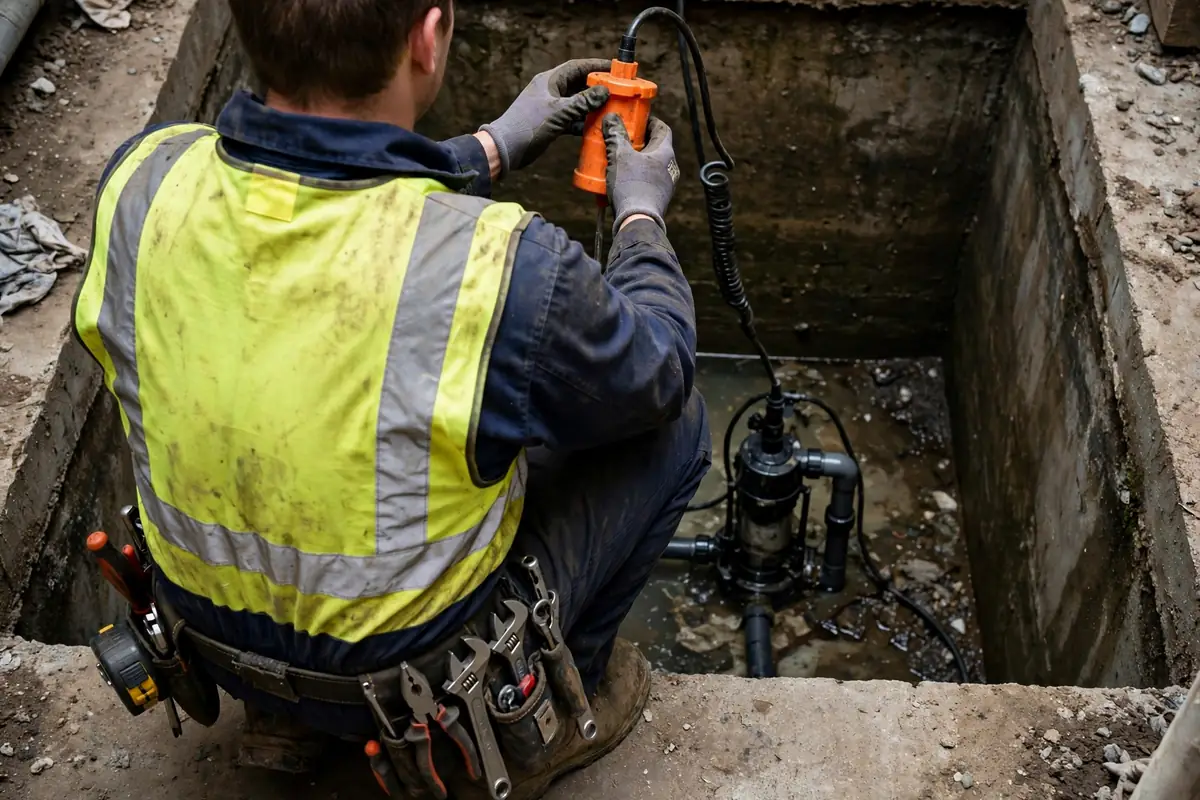
A sump pump sits in a pit and moves water that collects below a home — from a low crawl space or a walk-out level — out and away from the foundation. A grinder pump does a different job: it grinds wastewater and pumps it uphill, which is what a hillside home needs when the sewer or septic line sits above the house. The two pumps look similar and are often confused, but they serve different systems.
The alarm is the part to remember. A grinder or sewage ejector pump has an alarm light and usually a sound alarm for a reason: it means the pump has stopped moving wastewater, and every flush and every tap adds to the tank. When the alarm sounds, stop using water and call. For pump equipment outdoors or in an unheated space, freeze protection matters too — a frozen discharge line leaves the pump with nowhere to send the water.
Whether the pump moves groundwater or wastewater, the visit covers the checks below.
We test the pump, the float switch, and the power supply, and check whether the pump is actually moving water. A pump that runs but moves nothing has a different fault from one that never starts.
A stuck or failed float is the most common reason a sump pump does not run when it should. We test the float through a full cycle and replace it when it sticks.
For hillside homes, we service the grinder pump and its tank: the cutter, the pump, the level controls, and the alarm. A grinder pump that alarms is treated as urgent — the tank fills with every use.
We check the discharge line for freezing, kinking, and blockage, and make sure it carries water well away from the foundation rather than back toward it.
We test the alarm light and sound, and make sure the household knows what the alarm means: stop using water and call.
Exposed discharge lines and outdoor pump equipment get insulation and routing that keeps them working through a cold snap.
Running constantly, never running, alarming, or flooding — each points somewhere different. An alarm on a grinder pump means stop using water first, then call.
We test the float, the pump, and the power in order, and check whether water is actually leaving the pit or the tank.
A blocked or frozen discharge line is a common cause. We check the line from the pump to where it ends, and clear or re-route what is wrong.
A float or a switch is a repair. A pump whose motor has failed is a replacement, matched to the lift and the flow the home needs.
We run the pump through a cycle, test the alarm, and make sure you know what to do when it sounds.
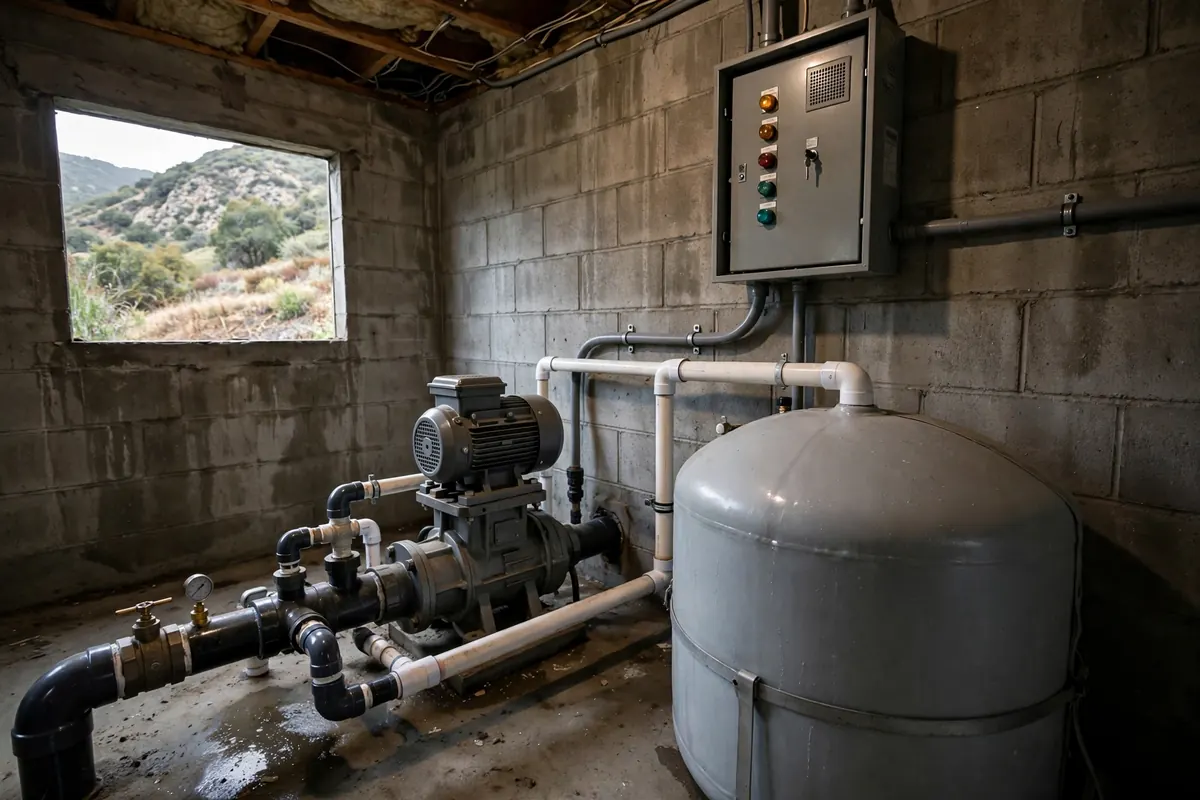
Running constantly, never running, alarming, or flooding — each points somewhere different. An alarm on a grinder pump means stop using water first, then call.
Testing a pump’s lift and flow in the pit, rather than guessing from the sound it makes.
Checking a float through its full range of movement to catch a switch that sticks.
Clearing a blocked discharge line so the pump has somewhere to send the water.
Testing power and controls on a pump that will not start.
Protecting exposed discharge lines from freezing in a cold snap.
Clearing a pit or a tank so the pump and float can be reached and tested properly.
These are illustrative examples of the kinds of jobs this service covers, not records of specific completed jobs.
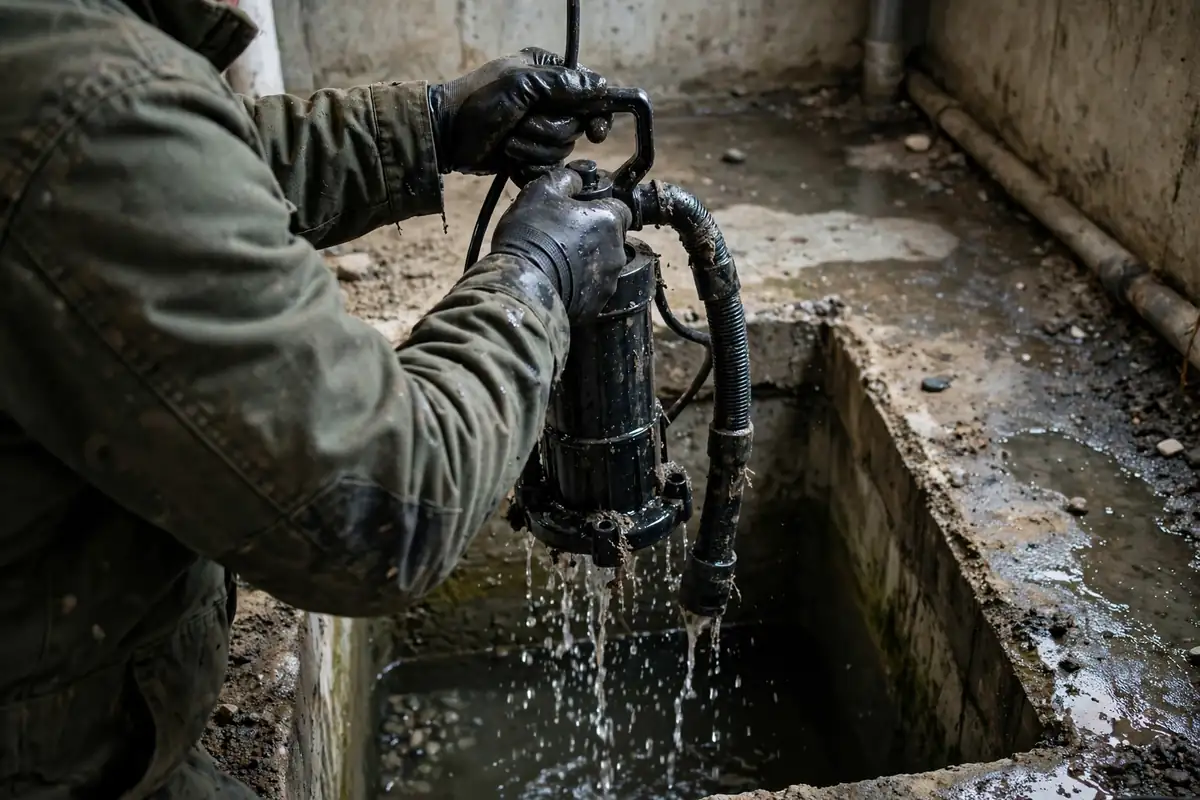
A sump pump can fail quietly — the float sticks, and water stands in the low level of the house after heavy rain.
What typically happens: the failed pump and float are replaced, the discharge line is checked, and the new unit is tested through a full cycle so the next storm does not catch the house out.
Book this service →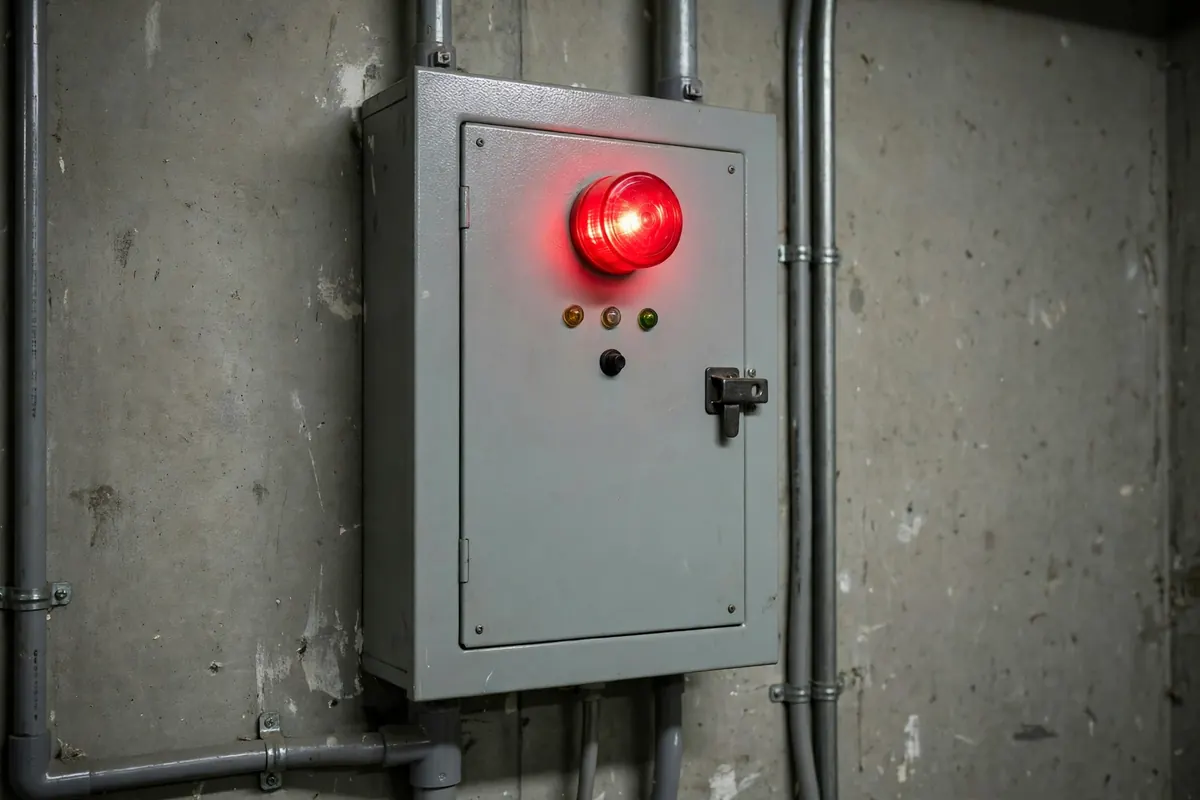
A sump pump can hum and run while the water level in the pit does not fall. When the float is working, the trouble is in the pump itself or a blocked discharge line.
What typically happens: the pump and the discharge line are checked, the blockage or failed part is dealt with, and the unit is tested through a full cycle before the visit ends.
Book this service →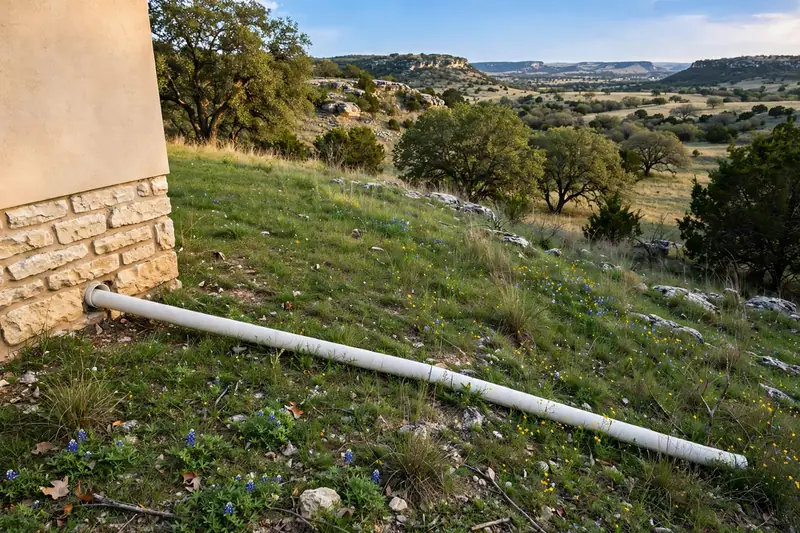
A sump discharge line can end beside the foundation, so the water the pump removes comes straight back toward the house.
What typically happens: the discharge line is re-routed to carry water well away from the foundation and checked for freezing exposure, so the pump moves water away from the house, not in a circle.
Book this service →Sump and grinder pump faults are usually the pump, the float, the line, or the alarm. Here is how each one is handled.
Ask a pro →A pump that runs without moving water usually has a blocked discharge line, a failed impeller, or a check valve stuck shut. We test the line and the pump in order.
A stuck float, a power fault, or a dead motor. We test the float through a cycle and check power before deciding the pump itself has failed.
Stop using water and call. The alarm means the pump has stopped moving wastewater and the tank is filling. We service the pump, the cutter, and the controls.
An exposed line freezes in a cold snap, and a line that ends at the foundation floods the house it was meant to protect. We insulate and re-route the line so the water goes where it should.
Lake Travis Plumbing is a Spicewood plumber with a 4.9-star rating from 16 Google reviews. The office is at 10401 E Hwy 71 Building 2, Suite 2B, Spicewood, TX 78669, and the phone is (254) 822-6941. Office hours are Monday to Friday, 9:00 AM to 5:00 PM; Saturday and Sunday are closed.
Lake Travis Plumbing holds a 4.9-star rating from 16 Google reviews. You can read what customers have said on Google, or call (254) 822-6941 during office hours to talk about your job.
Some do, many do not. Most Spicewood homes sit on limestone with good drainage, so a sump pump is a minor item here compared with wetter parts of the country. Homes with a low level or a walk-out that collects water are the ones that need one — and grinder pumps, for hillside wastewater, are the more common Spicewood job.
A grinder pump grinds wastewater and pumps it uphill to the sewer or septic line. A hillside home often sits below the line it has to reach, so gravity alone cannot do the job. Many lakefront and hillside homes around Lake Travis rely on one.
Stop using water — no flushing, no taps, no laundry — and call. The alarm means the pump has stopped moving wastewater and the tank fills with every use. Using more water while the alarm sounds risks a backup into the home.
Protect the exposed discharge line and any outdoor pump equipment from freezing, and make sure the line has somewhere to drain that will not ice over. A frozen discharge line leaves the pump with nowhere to send water. We insulate exposed lines and check the routing before winter. Our post on preventing frozen pipes in Spicewood covers the wider freeze routine.
If a pump has failed, a float is sticking, or an alarm is sounding, stop using water and call (254) 822-6941 during office hours, Monday to Friday, 9:00 AM to 5:00 PM.
Call (254) 822-6941 →Call (254) 822-6941 for plumbing in Spicewood, Texas. We answer the phone during office hours, Monday to Friday, 9:00 AM to 5:00 PM, and talk through the job before we book a visit.